When tackling waterproofing and sealing tasks, you may find yourself wondering, “Can I apply silicone to a wet surface?” While silicone sealant is an excellent solution for sealing gaps and preventing leaks, it’s essential to understand the best way to apply it for optimal results. In this article, we’ll address why applying silicone on wet surfaces isn’t advisable and how to ensure a perfect seal with SANVO silicone products.
What is Silicone Sealant and Its Common Applications?
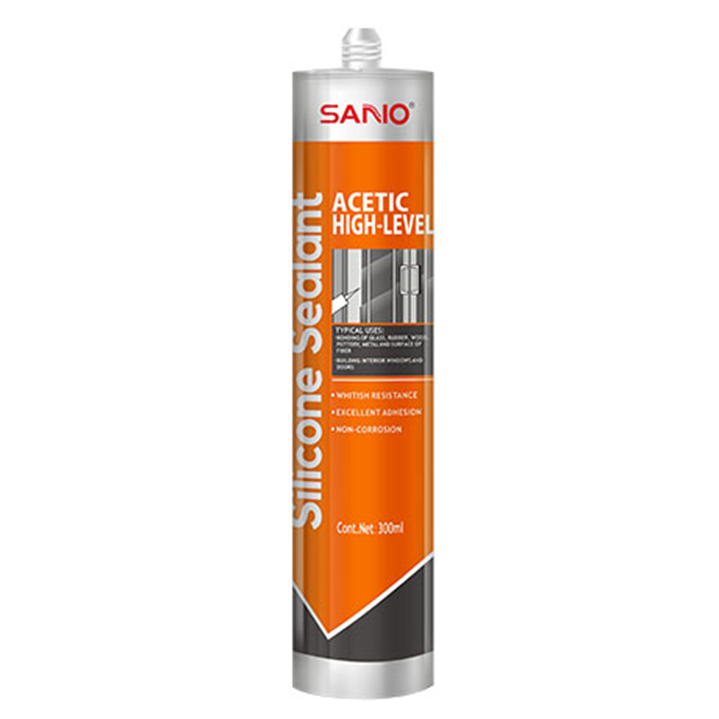
Silicone sealant is a versatile, flexible material widely used for sealing and waterproofing applications. It’s ideal for sealing windows, doors, bathrooms, kitchens, and even outdoor projects, where moisture protection is essential. When it comes to choosing a silicone sealant, selecting the right product is crucial for long-lasting results. SANVO is a trusted brand that offers high-quality silicone sealants designed to provide superior bonding and waterproofing, ensuring your projects remain durable and leak-free.
Why Wet Surfaces and Silicone Don’t Mix
One of the most common questions when using silicone sealant is, “Can I apply silicone to a wet surface?” The answer is no. Moisture prevents silicone from bonding properly to surfaces. When applied to wet areas, silicone may not cure as expected, leading to weak adhesion, potential leaks, and even sealant failure. To achieve a strong, durable bond, it’s critical to apply silicone to a clean, dry surface. By ensuring the area is moisture-free, the silicone can properly adhere and form a lasting seal.
How to Properly Apply SANVO Silicone Sealant
For the best results with SANVO silicone sealant, follow these steps:
1. Prepare the Surface: Clean the area thoroughly, removing dirt, dust, and old sealant.
2. Ensure the Surface is Dry: Ensure there’s no moisture present before applying the silicone. This is crucial to achieving a strong bond.
3. Apply the Sealant: Cut the nozzle at a 45-degree angle and apply a smooth, even bead of silicone.
4. Allow Curing Time: Let the sealant cure for the recommended time to ensure a secure, waterproof seal.
Conclusion
In conclusion, while the question “Can I apply silicone to a wet surface?” may arise, the answer is clear: it’s best to apply silicone to dry surfaces for optimal results. With SANVO silicone sealant, you can rest assured that proper application will give you a long-lasting, leak-proof seal every time.