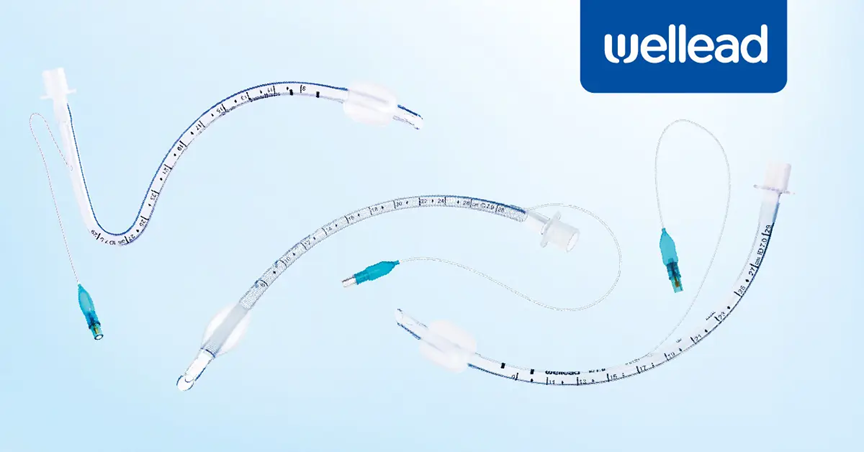
Endotracheal tubes (ETT) play a crucial role in maintaining a patient’s airway during critical medical procedures. These Wellead Medical tubes are inserted into the trachea to secure the airway and ensure proper ventilation, particularly in patients under general anesthesia or those experiencing respiratory distress. The primary function of ETTs is to prevent airway obstruction, ensure adequate oxygen supply, and allow medical professionals to manage breathing in patients unable to do so on their own.
Key Functions of Endotracheal Tubes (ETT)
The primary role of an ETT is to maintain airway patency. By securing the airway, an ETT allows doctors to administer anesthesia, prevent aspiration of fluids, and ensure proper oxygenation during surgeries. Additionally, the ETT helps in ventilation management, particularly in patients with compromised respiratory function.
Types of Endotracheal Tubes and Their Uses
There are several types of endotracheal tubes, each designed for specific medical applications. Oral ETTs are the most commonly used and are ideal for general surgeries or head and neck procedures. Nasal ETTs are preferred for patients requiring prolonged intubation, as they are inserted through the nose for less invasive long-term use. Reinforced or armored ETTs, equipped with a metal coil, are ideal for complex surgeries, as they resist kinking and prevent obstruction.
Conclusion
Wellead Medical is a leading provider of high-quality ETTs designed to improve patient safety and comfort. Their endotracheal tubes are crafted with precision and care, ensuring optimal performance and durability during critical procedures. With a focus on innovative design and patient safety, Wellead Medical continues to enhance the healthcare experience for both patients and medical professionals, offering reliable airway management solutions that meet the highest standards in the industry.